Game-A-Week
Role / Responsibilities: All
Team: Solo
Tools: Unreal Engine, Google Documentation Suite
Development: 11 weeks
Game-A-Week challenge info
Challenge Overview
During my studies I underwent a game-a-week unit.
This meant for 11 weeks I was tasked with developing small games, each week based on a given theme.
Each week I also tried to do something different either design wise or mechanically, such as a car game one week, a clicker game another week, or a mobile game another week, etc.
It was challenging but very educational and helps reinforce the practice of maintaining scope and building a strong core mechanic before getting carried away adding extra features.
Game-A-Week projects reel
Some of the Highs
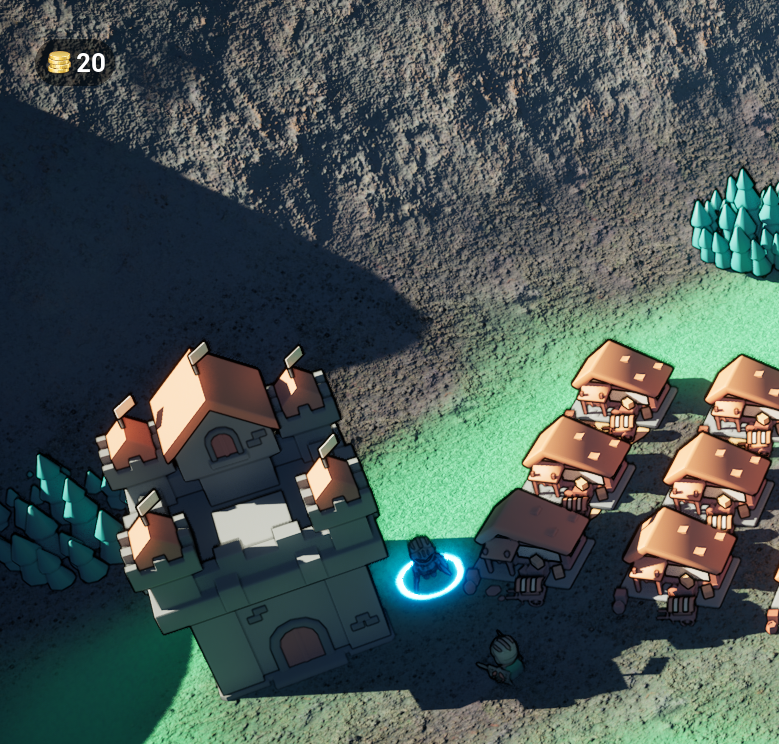
Final Defence
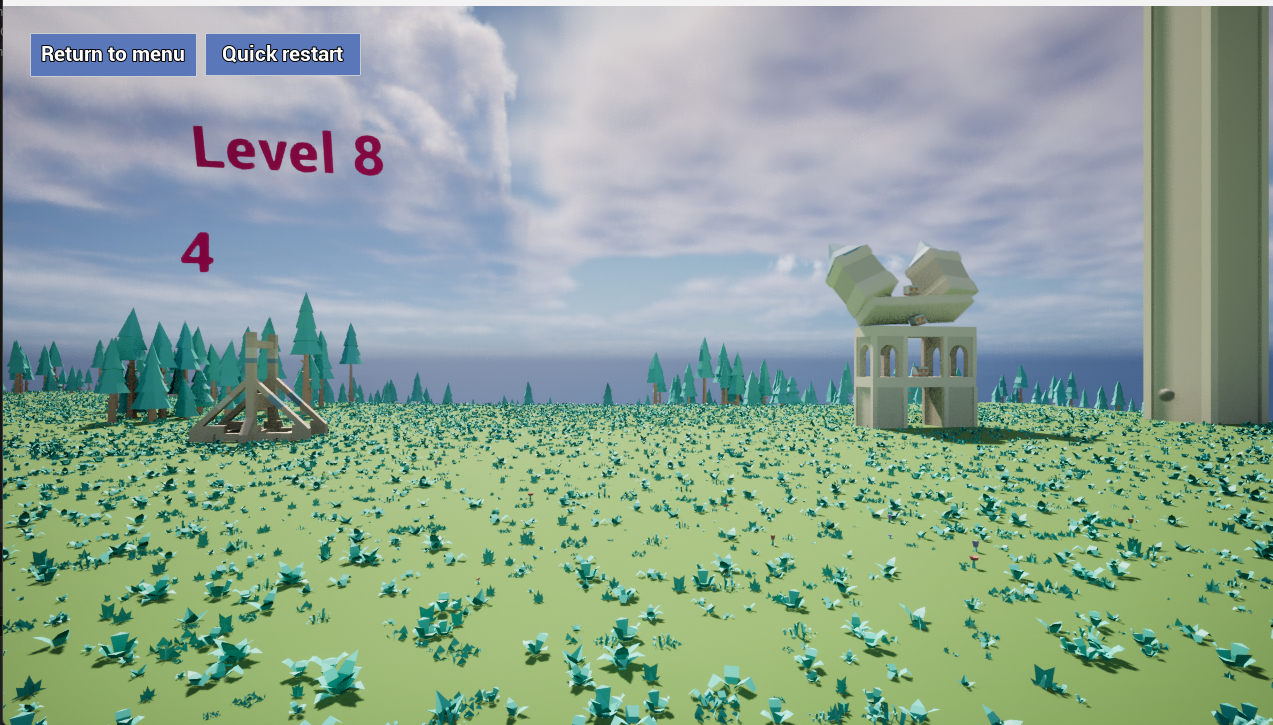
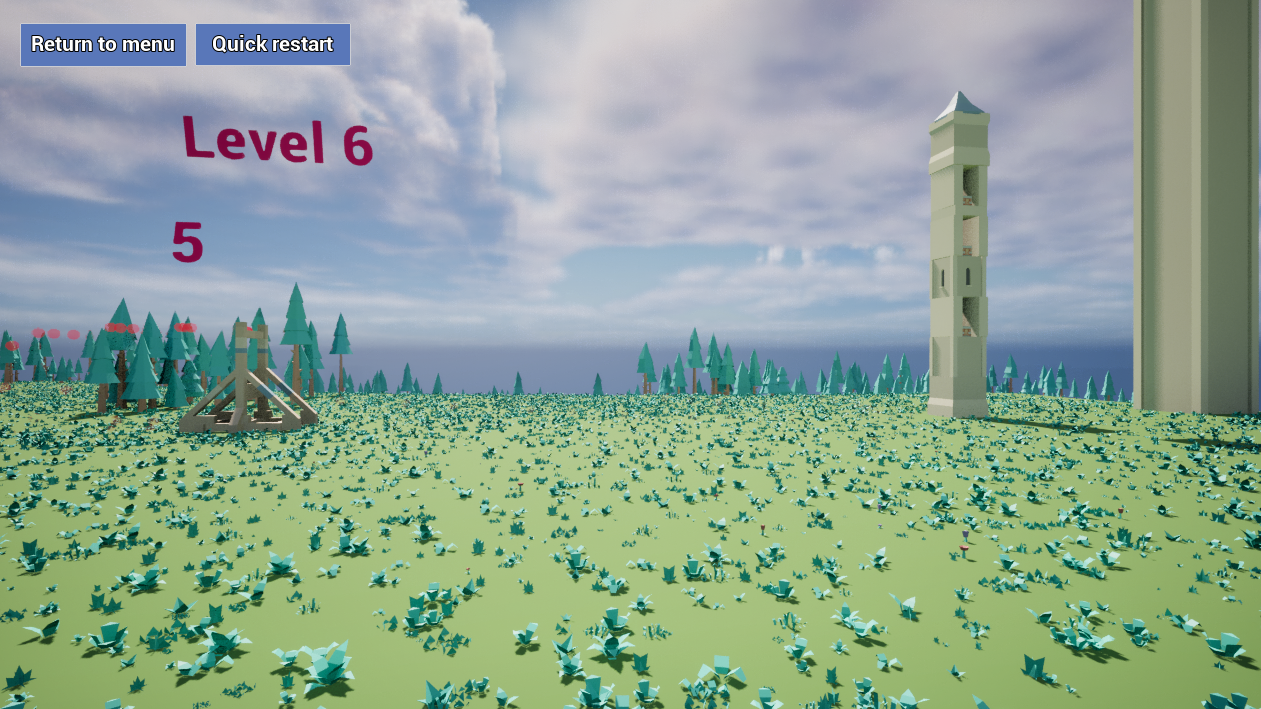
Sling Siege
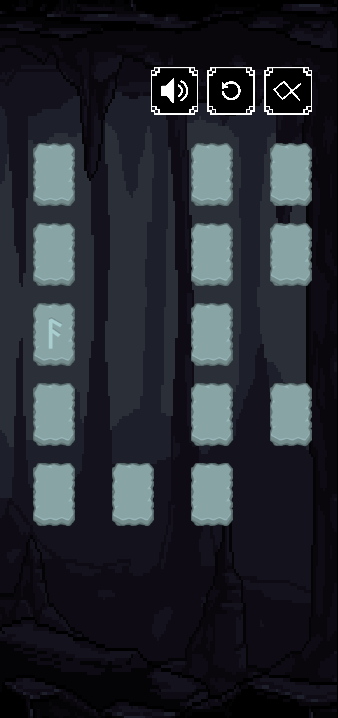
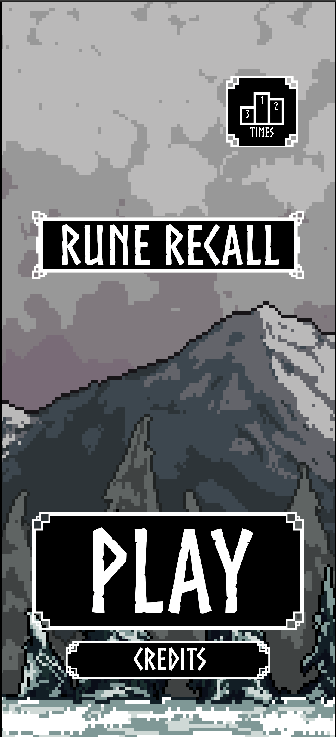
Rune Recall
Main Takeaways / Conclusion
Completing a game-a-week challenge for 11 weeks was demanding, but it became a major period of skill growth for me.
The one-week limit pushed fast experimentation, iteration, and frequent problem-solving, while the rotating themes regularly pushed me outside my comfort zone.
Over time, I learned to recognize my workflow patterns what I could set up quickly, what consistently took longer, and where my strengths and limits were. This helped me manage scope more accurately week to week and design projects that were achievable within the time available.
One ongoing challenge was resisting the urge to outdo the previous project, as scope and workload could easily escalate if left unchecked. Maintaining this pace also reinforced the importance of time and stress management to avoid burnout.
Overall, this challenge taught me more about time management than any other project. By planning carefully and maintaining a steady workload, I was able to complete all 11 games without taking the optional skip week, demonstrating consistent delivery under tight constraints.
Making 11 Small Games
Throughout the challenge I made 11 small games. They were:
Hidden Cricket
Sling Siege
Rune Recall
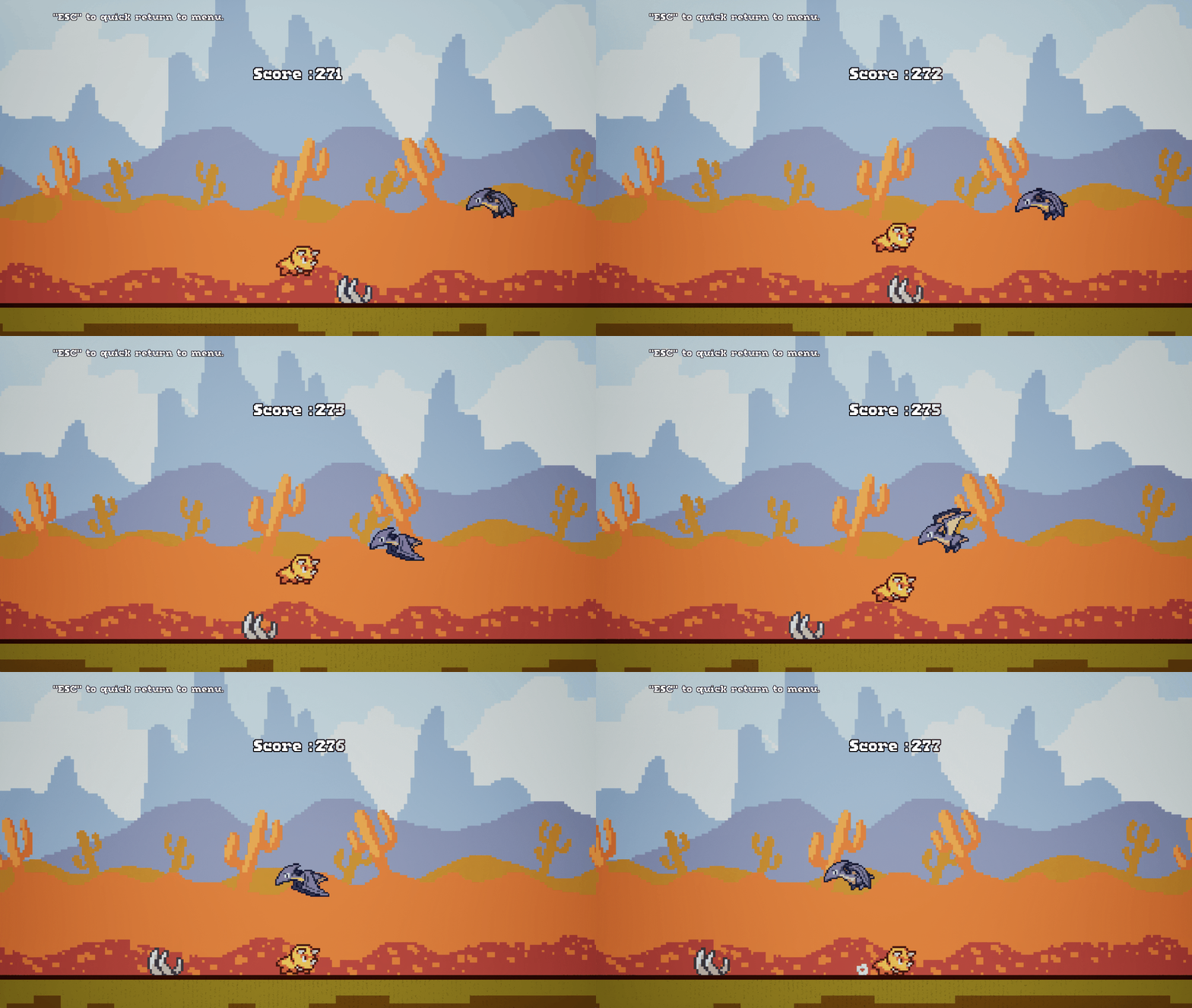
Dino Duo
Final Defence
Nectar Quest
Bird Caller
Bunker Descent
Drift Toon
LOOT
BLIGHT
Some of the projects I developed during the challenge can be found on my itch.io page.
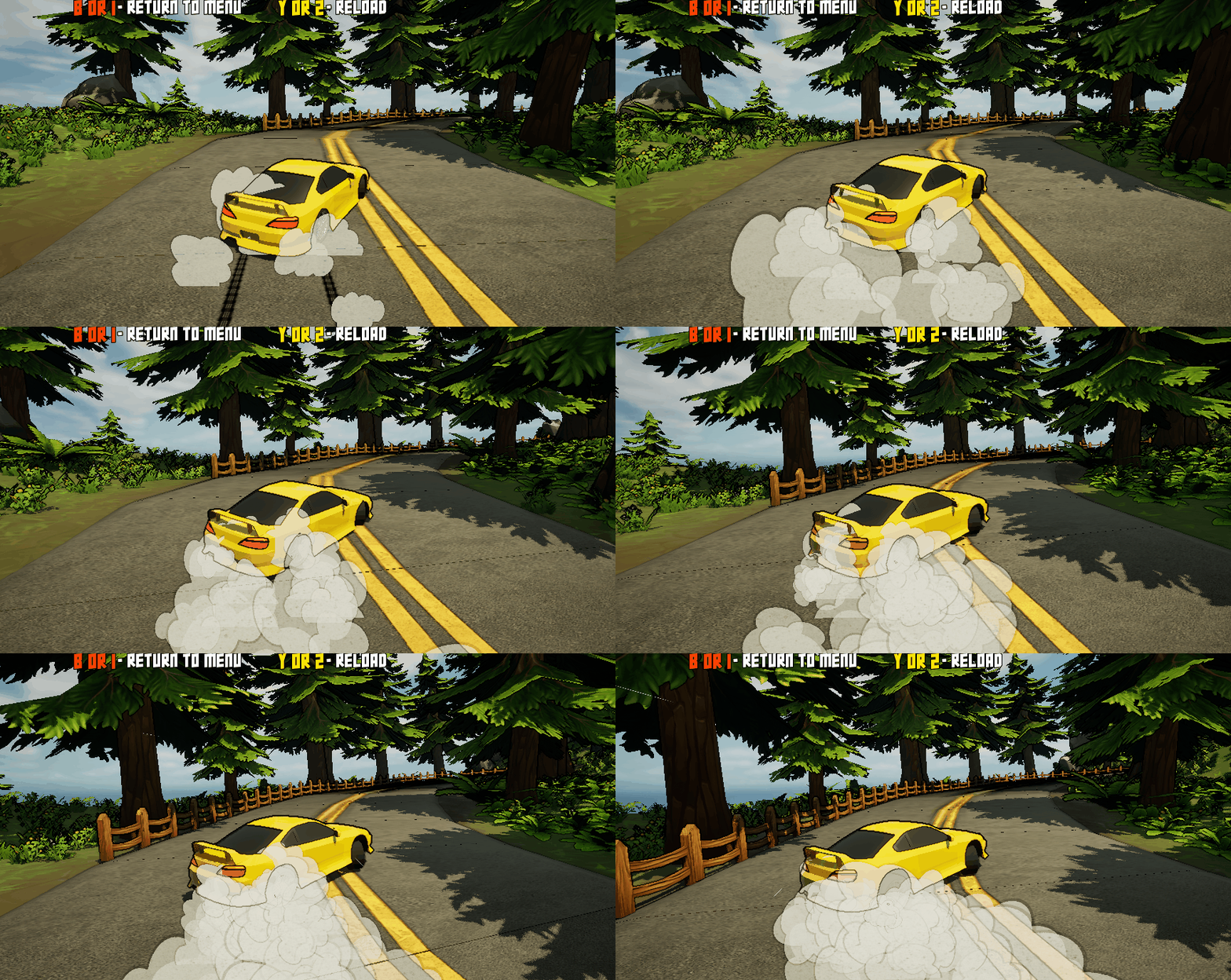
Drift Toon
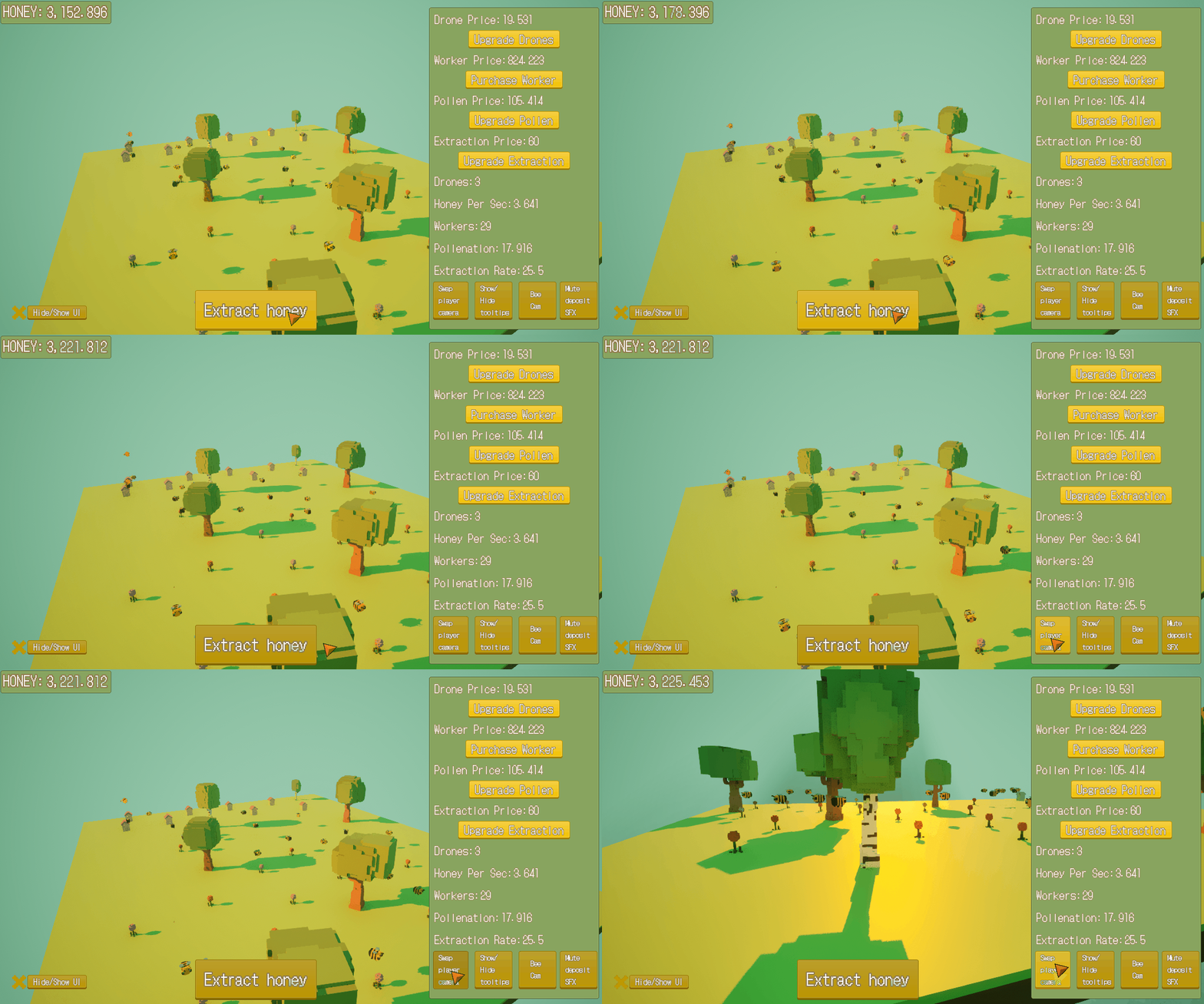
Nectar Quest
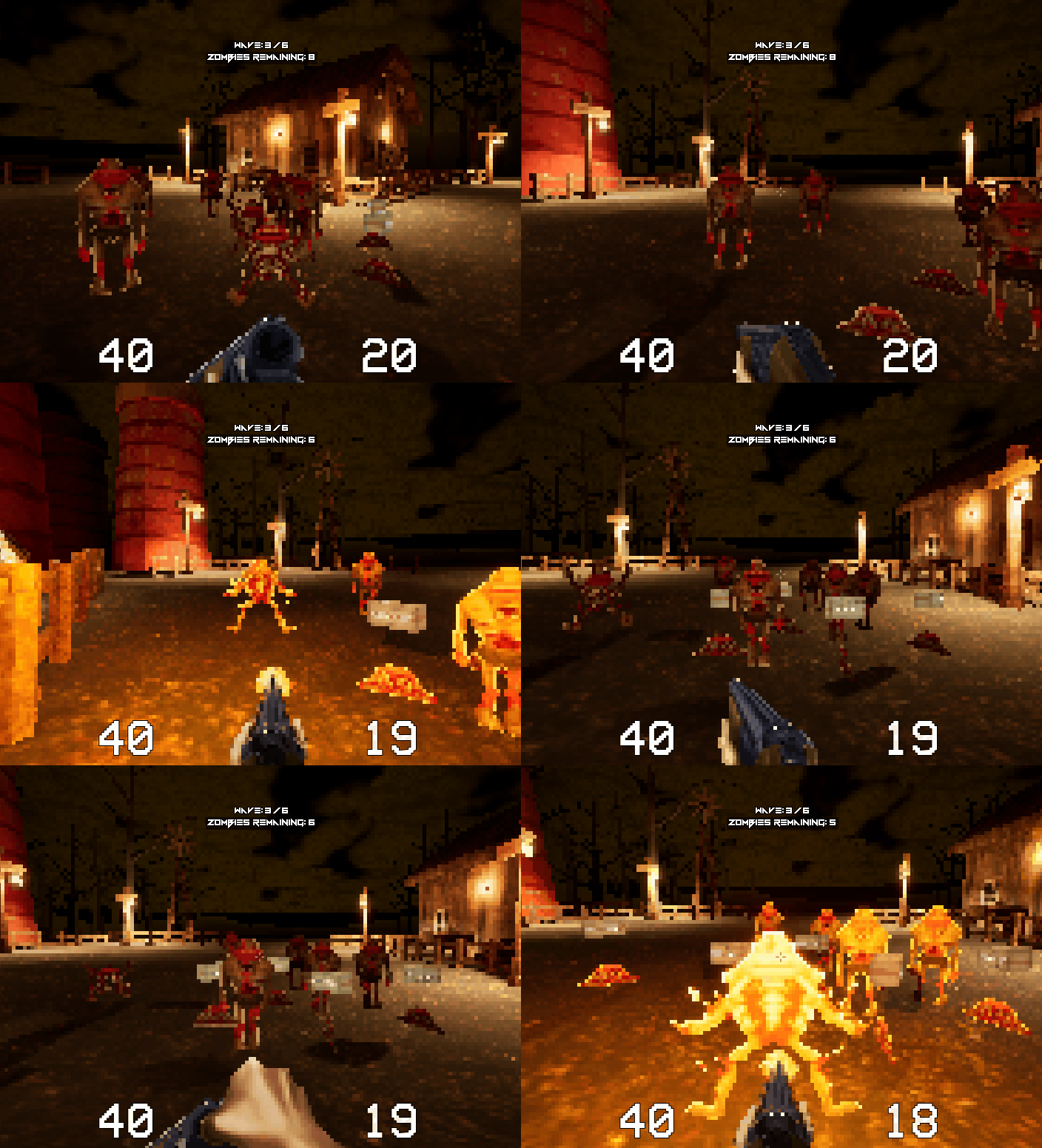
BLIGHT
Some of the Lows
Challenges & Learning Points
Even when projects required pivots or shipped with limitations, play testing consistently provided a chance to gather feedback that informed future decision making.
Final Defence
Encountered AI path finding issues related to enemy navigation and cornering.
Despite these constraints, players responded positively to the game’s visual identity.
The combination of a cel-shaded post-process and toon-style assets reinforced the intended theme and tone.
Sling Siege
Included some bugs around level loading and state transitions.
These issues did not detract from the core experience, which centered on physics based destruction.
The destruction system successfully calculated damage based on projectile velocity and fall speed, supporting the game’s primary goal and interaction loop.
Rune Recall
Began as a Mahjong style puzzle that struggled with clarity and rule communication for players.
Pivoted mid-week to a memory based puzzle better suited to quick understanding and mobile focused play.
The pivot reduced development time, prioritizing visual style, UI clarity, and audio cohesion.
With more time, the focus would have shifted toward expanding puzzle variety, progression, and difficulty scaling for a mobile audience.
Dino Duo: Triceratops Trample
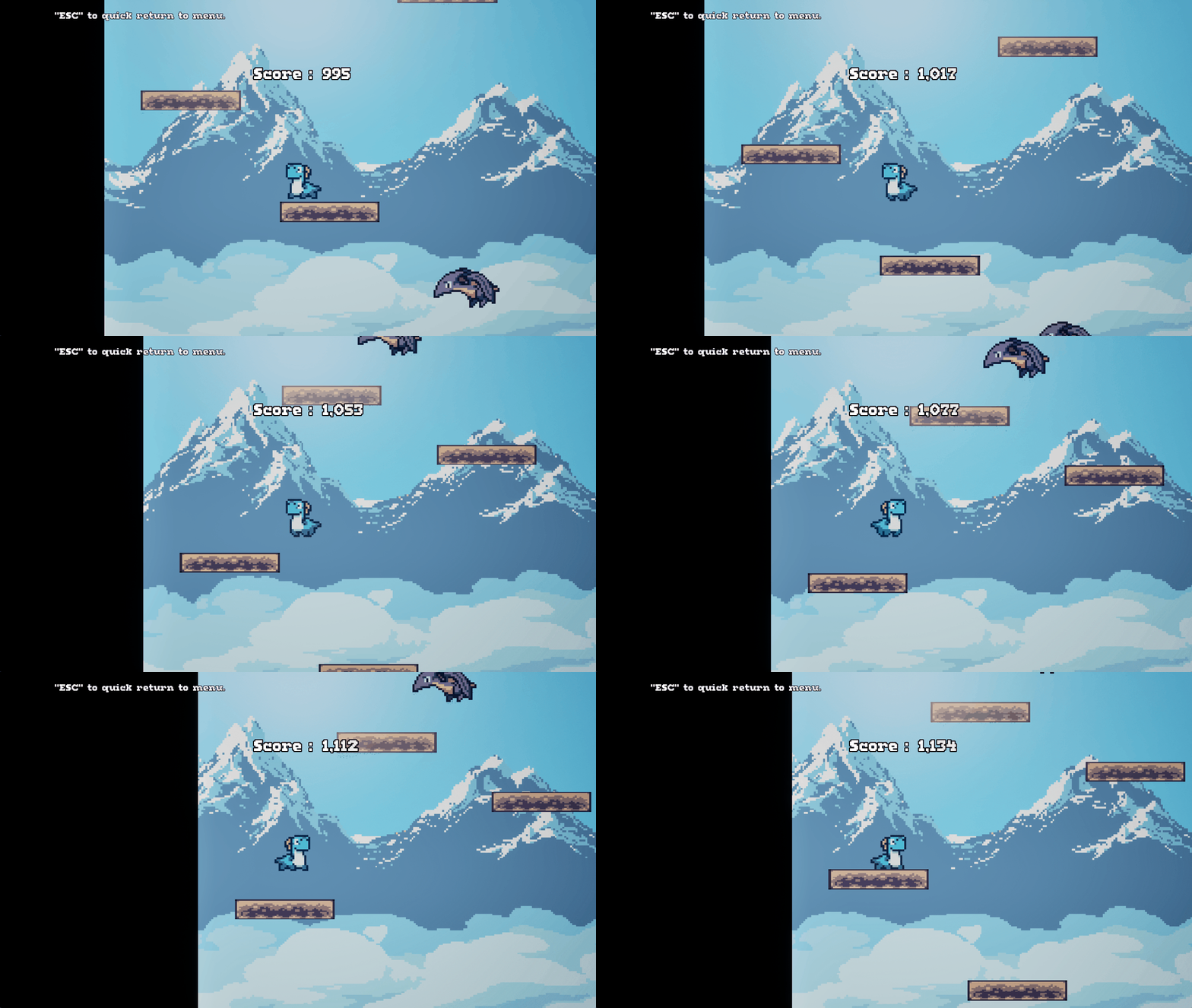
Dino Duo: Brontosaurus Bounce
Drift Toon
Emphasis on player flow through track layout and environmental readability.
Mountain track design focused on pacing, momentum, and maintaining engagement over its full length.
Level balance supported both challenge and consistency in player experience.
Nectar Quest
Scoped well to fit the available time, enabling a playable build within the first few days.
Early completion allowed the remaining time to be spent on polish, iteration, and game feel.
Resulted in the most cohesive and feature-complete project, with clear potential for expansion.
BLIGHT / Bunker Descent
Iterative development on a shared core concept across two versions.
Bunker Descent refined the experience into a linear level that naturally guided players forward.
Adding audio in BLIGHT significantly strengthened atmosphere and immersion.